Discovering Mattera: A Perfect Script Font for Editorial Design
As I embarked on the redesign of my lifestyle blog, I knew that the right font could make or break the overall aesthetic. After hours of searching, I stumbled upon Mattera, a flowing and relaxed handwritten font that instantly caught my eye. Its smooth lines and gorgeous glyphs promised to bring a touch of elegance and personality to my blog's new look.
The Visual Character of Mattera
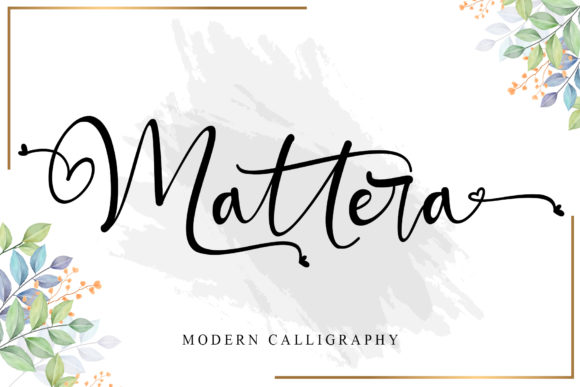
Mattera is a premium script font that exudes a sense of calm and sophistication. Its varying baseline and smooth, flowing lines give it a natural, handwritten feel, making it perfect for adding a personal touch to any design. The font's PUA encoding means that all of its glyphs and swashes are easily accessible, allowing for a wide range of creative possibilities.
Editorial Appeal and Versatility
One of the most appealing aspects of Mattera is its versatility. It can be used in a variety of editorial contexts, from blog headers and article titles to magazine covers and ebook titles. For my blog, I decided to use Mattera for the header, where its elegant and relaxed style perfectly complemented the content's tone. The font's rhythm and mood set the stage for a more engaging and enjoyable reading experience.
Supporting Visual Hierarchy and Reader Attention
When designing a layout, visual hierarchy is crucial for guiding the reader's attention. Mattera excels in this area, as its distinct and eye-catching style makes it ideal for titles, subtitles, and pull quotes. In my blog, I used Mattera for the main headings, which not only drew the reader's eye but also added a touch of elegance to the overall design. This helped to create a consistent and cohesive brand identity, making the blog feel more professional and polished.
Readability and Practical Considerations
While Mattera is a beautiful display font, it's important to consider readability, especially for longer text. For body copy, I paired Mattera with a clean sans serif font, which provided a good balance between style and legibility. This combination worked well for both screen reading and mobile layouts, ensuring that the content was easy to read and visually appealing.
Using Mattera in Different Projects
- Lifestyle Blog: As mentioned, Mattera was perfect for the blog header, creating a welcoming and sophisticated look.
- Recipe Ebook: For an upcoming recipe ebook, I plan to use Mattera for the cover and chapter openers, adding a touch of elegance and personality.
- Wedding Guide: In a wedding guide, Mattera would be ideal for the cover and section headings, providing a romantic and handcrafted feel.
- Coaching Workbook: For a coaching workbook, Mattera can be used for the title and section headings, making the material feel more personal and approachable.
- Printable Planner: In a printable planner, Mattera can add a unique and stylish touch to the cover and section titles, enhancing the overall design.
Font Pairing and Design Assets
When using Mattera in your designs, it's essential to pair it with complementary fonts. For example, a readable serif font for body copy can provide a classic and refined look, while a clean sans serif font can add a modern and minimalist touch. This combination ensures that the design is both visually appealing and functional.
Practical Considerations Before Using Mattera
Before incorporating Mattera into your projects, it's important to check the included styles, alternates, ligatures, and weights. Additionally, ensure that the font supports the languages you need, and review the commercial licensing terms. This will help you avoid any potential issues and ensure that your design assets are fully compliant and ready for use in ebooks, templates, printables, and other digital downloads.
In conclusion, Mattera is a versatile and elegant script font that can enhance the visual appeal and readability of your editorial designs. Whether you're working on a blog, ebook, or any other publishing project, Mattera offers a perfect blend of style and functionality, making it a valuable addition to your design toolkit.